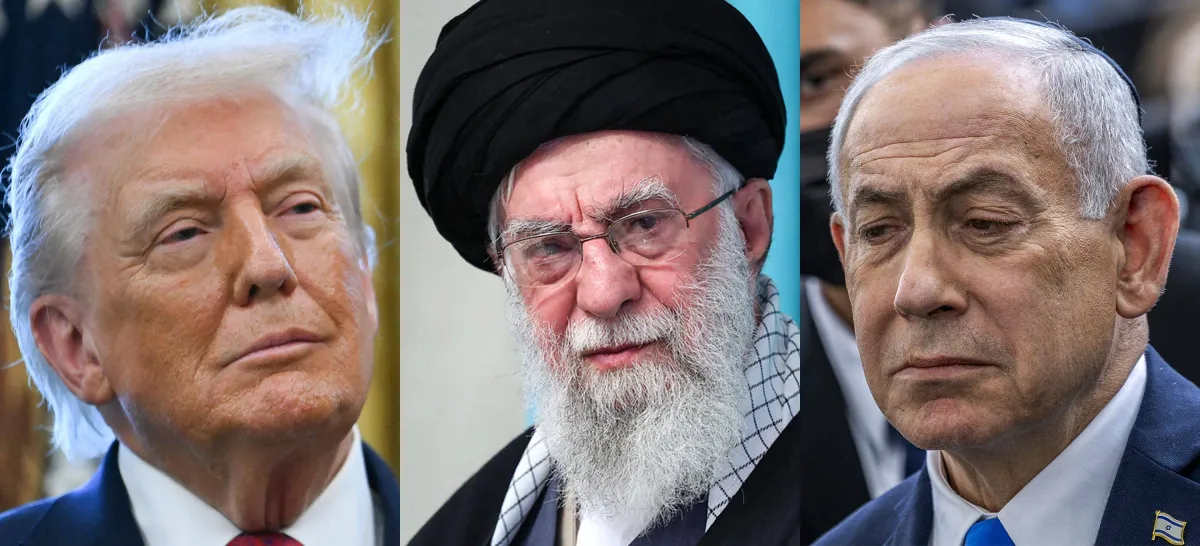
Israel Targets Khamenei & Pezeshkian: Decoding the Geopolitical Aftershocks
The Middle East remains a crucible of geopolitical tension, with recent reports shedding light on a dramatic escalation that reverberated across the globe. On February 28th, a series of Israeli strikes against targets in Iran, confirmed by both Israeli and U.S. officials, thrust the region into a fresh wave of uncertainty. These preemptive operations, dubbed "Lion's Roar" by Israel and "Epic Fury" by the United States, were reportedly aimed at the highest echelons of Iranian leadership: Supreme Leader Ayatollah Ali Khamenei and President Masoud Pezeshkian, alongside other senior regime figures and military commanders.
Initial assessments from Israel hinted at "very high success" in achieving the objective of neutralizing Iran's leadership. However, the precise outcomes, particularly regarding Supreme Leader Khamenei, remained shrouded in ambiguity, with reports stating it was "unclear whether anything dramatic happened." Iran's Tasnim news agency, in turn, quickly asserted President Pezeshkian was "in full health." This intricate interplay of claims, counter-claims, and strategic ambiguity underscores the high stakes and the complex layers of an ongoing shadow war that occasionally breaches the surface with alarming intensity. The incident not only highlights the volatile security landscape but also invites a deeper examination into the internal power dynamics that shape Iran's response and resilience.
Unpacking the February 28th Strikes: A High-Stakes Gambit
The coordinated operations on February 28th represented a significant escalation in the long-standing tensions between Israel and Iran, with the United States playing a crucial supporting role. Israel's Defense Minister, Israel Katz, affirmed the preemptive nature of the strikes, while then-President Donald Trump confirmed the commencement of "large-scale hostilities" and issued a direct call for the Islamic Revolutionary Guard Corps (IRGC) to disarm. Media reports indicated that the targets were highly strategic, encompassing not only the residences of Ayatollah Ali Khamenei but also critical facilities from which Iran could potentially launch attacks against Israel.
Eyewitness accounts painted a vivid picture of the unfolding events, with images depicting plumes of smoke rising over Tehran and reports of explosions echoing across five Iranian cities. Concurrently, Iran launched ballistic missiles towards Israel, signaling a rapid and severe retaliatory response. This exchange underscored the immediate danger of direct confrontation and the established pattern of regional tit-for-tat escalations.
The broader geopolitical context surrounding these strikes involved increasing pressure from Washington on Tehran to secure a nuclear agreement. This objective often intersects with, and at times conflicts with, Israel's paramount security concerns regarding Iran's regional influence and its nuclear ambitions. While Israel's Channel 12 reported an assessment of "very high success" in meeting the objective of eliminating Iranian leadership, specifically mentioning senior commanders and President Masoud Pezeshkian, the critical question of Khamenei's status remained an open one. The swift counter-reporting from Iranian state media regarding Pezeshkian's health aimed to project an image of stability and control, a vital component in maintaining internal cohesion and projecting external strength in moments of crisis. Such incidents challenge the perception of regional seguros (security and assurances), often leading to heightened alert levels globally.
The Complexities of Strategic Targeting and Intelligence
- Decapitation vs. Disruption: While the stated goal might be the "elimination of leadership," the immediate effect is often disruption. Assessing true success requires long-term observation of operational capabilities and command structures.
- Information Warfare: Both sides engage in strategic communication to shape narratives. Israel's "very high success" claim and Iran's swift reassurance about Pezeshkian's health are examples of this.
- Impact on Succession: Any perceived weakening or threat to the Supreme Leader, even if unconfirmed, could ignite internal power struggles within Iran, creating further instability.
The Labyrinth of Iranian Power: Khamenei's Authority vs. Pezeshkian's Predicament
To fully grasp the implications of targeting figures like Masoud Pezeshkian, one must understand the unique power architecture of the Islamic Republic. President Pezeshkian, despite his title, is often described as a figurehead, grappling with a role that is "powerless in substance, yet held accountable for the nation’s crises." He is, in essence, a potential scapegoat, with real authority consolidated in the hands of Supreme Leader Ayatollah Ali Khamenei. Khamenei is the ultimate "real decision-maker" in Tehran, wielding unparalleled influence over all major state affairs, including foreign policy, military, and key economic institutions.
Just months into his term, President Pezeshkian has reportedly begun losing the support of his initial champions. His presidency has been marked by challenges, including perceived failures to deliver on key campaign promises, the sidelining of reformist allies, and contentious economic decisions. These actions have collectively fueled public disappointment and perceptions of betrayal. This precarious political standing underscores Pezeshkian's Lost Cause: Iran's President a Scapegoat?, a question that constantly looms over his administration.
Hardliners within Iran have been quick to attribute the nation’s profound economic misery to Pezeshkian’s government, conveniently sidestepping the uncomfortable truth. The core of Iran's economic woes stems from two intertwined realities: a toxic foreign policy that has invited crippling international sanctions, and an economic system largely outside governmental control, dominated instead by powerful institutions loyal to Khamenei. Pezeshkian, with a degree of courage, has subtly but unmistakably laid responsibility at the feet of the Supreme Leader for these systemic issues. This public acknowledgment, while not a revelation to the Iranian populace, marks a significant departure from the usual presidential deference.
The political maneuvering continues, with hardliners exploiting Pezeshkian’s open willingness to engage in dialogue with Washington as a pretext for criticism, even though it is Khamenei who has ultimately approved probing a possible deal. This dynamic highlights the precariousness of Pezeshkian's position and the constant internal political battles he faces. The concept of seguros (security and stability) for any Iranian president is inherently undermined by this power imbalance, as they bear the brunt of public discontent without possessing the ultimate authority to enact meaningful change. Understanding Khamenei's Real Power: Why Iran's Economy Suffers is crucial to dissecting the nation's challenges.
Geopolitical Ramifications and Future Outlook
The targeting of high-ranking Iranian officials, regardless of the precise outcomes, carries profound geopolitical ramifications. Such actions inherently heighten the risk of regional escalation, pushing an already volatile Middle East closer to broader conflict. The strategic calculus behind "Lion's Roar" and "Epic Fury" likely aimed to weaken Iran's command structure, disrupt its capabilities, and send a clear message. However, the long-term effectiveness of such tactics in achieving lasting security or altering Iran's fundamental policies remains a subject of intense debate among analysts.
The United States' persistent push for a nuclear agreement with Iran adds another layer of complexity. Direct military actions, even if perceived as preemptive, can complicate diplomatic efforts, making it harder to build trust or find common ground. Iran's leadership, whether under Khamenei or a potential successor, will undoubtedly factor these strikes into its strategic decisions regarding its nuclear program, regional proxy networks, and relations with global powers.
Practical Insights for Understanding the Dynamics
- Multifaceted Approach: Regional stability is influenced by military actions, economic sanctions, diplomatic overtures, and internal political dynamics. No single approach guarantees a lasting peace or security.
- Information Scrutiny: In an environment rife with propaganda and strategic messaging, it's crucial to critically evaluate reports from all sides and seek verification from diverse, reputable sources.
- Economic Impact: Escalations like these often have ripple effects on global markets, particularly oil prices and international shipping routes, underscoring the interconnectedness of regional conflicts with global economic seguros (assurances).
- Long-Term Strategy: Understanding the ideological underpinnings and long-term strategic goals of all actors involved is essential for anticipating future moves and de-escalation pathways.
The events of February 28th serve as a stark reminder of the fragile balance of power in the Middle East. The interplay between external pressures and internal vulnerabilities in Iran, particularly the tension between the Supreme Leader's absolute authority and the President's limited power, will continue to shape the region's trajectory. As the dust settles from these recent strikes, the world watches to see how Iran's leadership responds and what implications these events will have for the ongoing quest for security and stability in a perpetually turbulent landscape.